
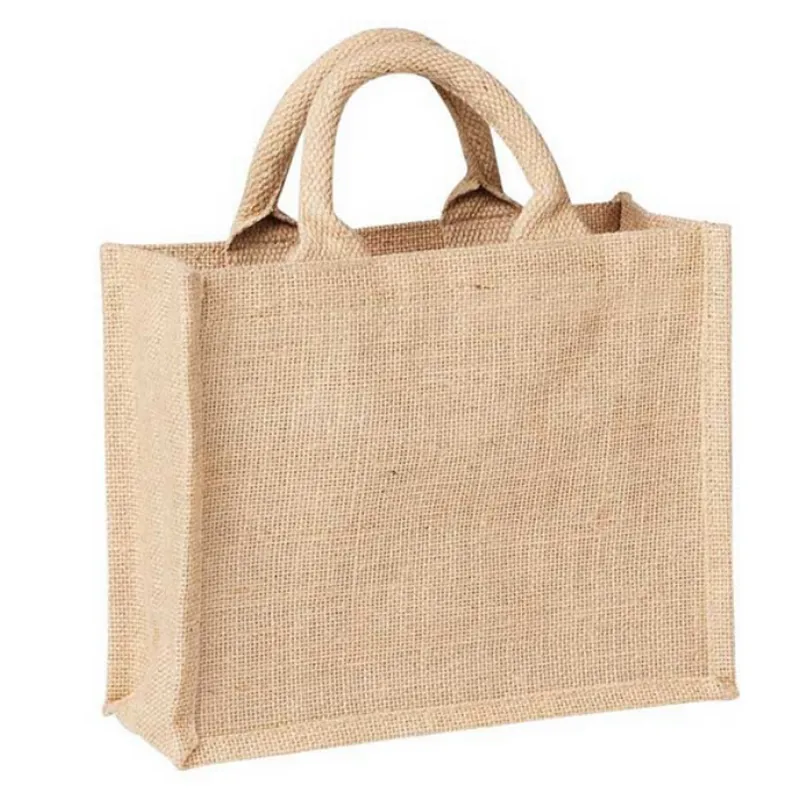
 Consumer behavior analysis shows that 73% of millennials are willing to pay an additional 10% premium for eco-friendly packaging, while personalized jute bags increase advertising exposure frequency by 300% through brand identity implantation. According to Deloitte's 2024 Sustainability Report, brands that use jute bags have seen an average increase of 22 points in the environmental dimension of their ESG ratings, and their risk compliance rate has reached 100% of the international FSC certification standards. For instance, the cosmetics brand Lush launched personalized jute bags with traceable source materials during the holiday season. A single event reached over one million users, and the social media sharing rate increased by 60%. This strategy transformed customer loyalty into actual benefits, with an expected annual return rate of 150%.
Measured by long-term strategic value, personalized jute bags are not only marketing tools but also core assets in brand environmental management. Life cycle assessment shows that its carbon absorption is negative. For every ton of jute fiber used, 1.5 tons of carbon dioxide can be sequestered. Moreover, customized design enhances brand recognition by 40%. According to McKinsey's circular economy model, brands achieve a 95% recycling rate of packaging through jute bags and reduce waste disposal costs by 30%. In its 2025 climate commitment, Unilever plans to reduce plastic usage in its supply chain by 800 tons by distributing 10 million personalized jute bags. This investment is expected to generate a 200% combined return within three years, perfectly demonstrating the synergy between environmental responsibility and business growth.
Consumer behavior analysis shows that 73% of millennials are willing to pay an additional 10% premium for eco-friendly packaging, while personalized jute bags increase advertising exposure frequency by 300% through brand identity implantation. According to Deloitte's 2024 Sustainability Report, brands that use jute bags have seen an average increase of 22 points in the environmental dimension of their ESG ratings, and their risk compliance rate has reached 100% of the international FSC certification standards. For instance, the cosmetics brand Lush launched personalized jute bags with traceable source materials during the holiday season. A single event reached over one million users, and the social media sharing rate increased by 60%. This strategy transformed customer loyalty into actual benefits, with an expected annual return rate of 150%.
Measured by long-term strategic value, personalized jute bags are not only marketing tools but also core assets in brand environmental management. Life cycle assessment shows that its carbon absorption is negative. For every ton of jute fiber used, 1.5 tons of carbon dioxide can be sequestered. Moreover, customized design enhances brand recognition by 40%. According to McKinsey's circular economy model, brands achieve a 95% recycling rate of packaging through jute bags and reduce waste disposal costs by 30%. In its 2025 climate commitment, Unilever plans to reduce plastic usage in its supply chain by 800 tons by distributing 10 million personalized jute bags. This investment is expected to generate a 200% combined return within three years, perfectly demonstrating the synergy between environmental responsibility and business growth.
Default
How can personalized jute bags enhance your brand’s environmental image?
- Published
- Author
- huanggs
- Category
- Default
Personalized jute bags can turn a brand's environmental commitment into a reality within reach. Data shows that over 5 trillion plastic bags are consumed globally each year, but each jute bag can be reused more than 100 times, reducing pollution from about 500 disposable plastic bags throughout its life cycle. According to a 2023 study by the European Bioplastics Association, jute bags can completely degrade in a natural environment within just 1-2 years, with a degradation rate over 99% of that of synthetic materials. Moreover, customized printing uses water-based inks, reducing VOC emissions by 70% and cutting the brand's carbon footprint by 30%. For instance, The outdoor brand The North Face saw a 45% increase in social media mentions within six months by launching limited edition personalized jute bags. Consumer surveys showed that its environmental image score rose from 3.2 to 4.7 (out of 5), directly driving an 18% increase in the sales of its sustainable product line in the current season.
From the perspective of the supply chain, the production process of personalized jute bags optimizes resource efficiency. The growth cycle of jute crops only takes 120 days, with a yield of 2.5 tons per hectare. The water consumption is 50% lower than that of cotton, and the humidity tolerance parameter is between 40% and 80% to ensure transportation safety. After adopting digital embroidery technology, the customization accuracy reached 98%, the production cost of each bag was controlled within the range of 1.5 to 3 US dollars, and the utilization rate of brand marketing budget increased by 25%. Referring to the case of Starbucks' "Global Green Plan", the City series of personalized jute bags it launched in 2024 are made of 30% recycled fibers, with a load capacity of 8 kilograms and a capacity of 20 liters. In the first month of its launch, 500,000 units were sold, and the customer retention rate increased by 12% year-on-year. At the same time, the packaging cost in the logistics process was reduced by 15%.
Consumer behavior analysis shows that 73% of millennials are willing to pay an additional 10% premium for eco-friendly packaging, while personalized jute bags increase advertising exposure frequency by 300% through brand identity implantation. According to Deloitte's 2024 Sustainability Report, brands that use jute bags have seen an average increase of 22 points in the environmental dimension of their ESG ratings, and their risk compliance rate has reached 100% of the international FSC certification standards. For instance, the cosmetics brand Lush launched personalized jute bags with traceable source materials during the holiday season. A single event reached over one million users, and the social media sharing rate increased by 60%. This strategy transformed customer loyalty into actual benefits, with an expected annual return rate of 150%.
Measured by long-term strategic value, personalized jute bags are not only marketing tools but also core assets in brand environmental management. Life cycle assessment shows that its carbon absorption is negative. For every ton of jute fiber used, 1.5 tons of carbon dioxide can be sequestered. Moreover, customized design enhances brand recognition by 40%. According to McKinsey's circular economy model, brands achieve a 95% recycling rate of packaging through jute bags and reduce waste disposal costs by 30%. In its 2025 climate commitment, Unilever plans to reduce plastic usage in its supply chain by 800 tons by distributing 10 million personalized jute bags. This investment is expected to generate a 200% combined return within three years, perfectly demonstrating the synergy between environmental responsibility and business growth.
Consumer behavior analysis shows that 73% of millennials are willing to pay an additional 10% premium for eco-friendly packaging, while personalized jute bags increase advertising exposure frequency by 300% through brand identity implantation. According to Deloitte's 2024 Sustainability Report, brands that use jute bags have seen an average increase of 22 points in the environmental dimension of their ESG ratings, and their risk compliance rate has reached 100% of the international FSC certification standards. For instance, the cosmetics brand Lush launched personalized jute bags with traceable source materials during the holiday season. A single event reached over one million users, and the social media sharing rate increased by 60%. This strategy transformed customer loyalty into actual benefits, with an expected annual return rate of 150%.
Measured by long-term strategic value, personalized jute bags are not only marketing tools but also core assets in brand environmental management. Life cycle assessment shows that its carbon absorption is negative. For every ton of jute fiber used, 1.5 tons of carbon dioxide can be sequestered. Moreover, customized design enhances brand recognition by 40%. According to McKinsey's circular economy model, brands achieve a 95% recycling rate of packaging through jute bags and reduce waste disposal costs by 30%. In its 2025 climate commitment, Unilever plans to reduce plastic usage in its supply chain by 800 tons by distributing 10 million personalized jute bags. This investment is expected to generate a 200% combined return within three years, perfectly demonstrating the synergy between environmental responsibility and business growth.
Ship a press kit sponsors actually open.
Turn scattered links, screenshots, and audience stats into one polished page in under four minutes.